

Celebrating Life: Meaningful Funerals in Scotland
- Frank McNiff
- Dec 8, 2025
- 2 min read
Updated: Dec 22, 2025
Life includes moments of joy, sorrow, and everything in between. When someone dies, a funeral can be an important space to gather, reflect, and honour a life in a way that feels right for the person and the family left behind. In Scotland, funerals vary widely — some are traditional, some are simple, some are deeply personal and modern — but many share one common purpose: bringing people together to remember, support one another, and say goodbye with dignity.

Understanding the Importance of Funerals
A funeral gives family and friends a moment to pause and acknowledge what has happened. It can help people begin to process grief, share stories, and feel less alone.
Rituals and traditions (and why they help)
Ritual doesn’t have to mean “formal” or “religious”. It simply means creating a structure that helps people through a difficult day. Depending on the family’s wishes, a Scottish funeral might include:
Music that meant something to the person (traditional, modern, or anything in between)
Readings from poetry, literature, or faith texts (or none at all)
Personal tributes and shared memories
A simple moment of reflection, lighting a candle where permitted, or placing a flower in farewell
Some families also choose cultural touches such as tartan, pipe music, or a favourite hymn — but these are always optional and led by what feels right.
Personalising the Service
Small personal details often make the biggest difference. Families sometimes include:
a favourite song or piece of music
photographs or a memory table at the reception
a poem, prayer, or short reading that captures the person’s values
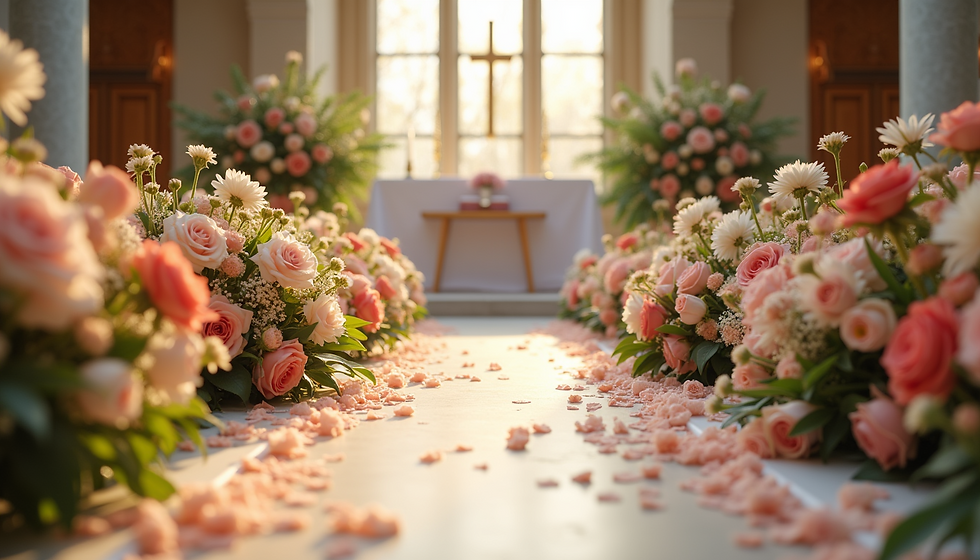
a theme in flowers or colours that reflects the person’s life
Gatherings before or after the funeral
Many families choose to gather either before or after the service — sometimes at home, sometimes at a venue, and often as a “funeral tea” or reception. These gatherings can be quiet and reflective, or warm and story-filled, depending on what the family prefers.
Burial, cremation, and natural burial
In Scotland, families may choose burial or cremation. An increasing number of people also explore natural burial and more environmentally mindful options, such as biodegradable materials or simpler floral choices. Your funeral director can explain what is available locally.
Planning a funeral: a simple approach
Planning can feel overwhelming, so it helps to take it step by step:
Talk about wishes (if known) and what feels most appropriate
Choose a format (traditional, modern, religious, non-religious)
Decide on personal touches (music, readings, tributes)
Lean on support — a good funeral director and celebrant can guide the logistics and help shape the ceremony
After the funeral
Grief doesn’t end after the service. Checking in, offering practical help, and keeping memories alive through stories and shared moments can make a real difference.
A final thought
A meaningful funeral doesn’t have to be elaborate. Often, it’s the honest stories, the familiar music, and the sense of togetherness that people remember most.
If you’d like a ceremony that reflects your loved one’s life with warmth and respect, Tree & Compass is here to help.
"Every life has roots, and every story has direction."

Comments